Copycat P.F. Chang’s Lettuce Wraps Recipe
This copycat P.F. Chang’s lettuce wraps recipe is about to become your new favorite appetizer to make at home! While ordering these iconic lettuce wraps at the restaurant will set you back around $12-15 per serving, you can recreate the entire dish at home for just a few dollars per person. In this comprehensive guide, I’m going to walk you through every single step, ingredient choice, and pro tip you need to nail these addictive Asian-inspired lettuce wraps that taste just like the restaurant version—maybe even better.
I’ve been making these lettuce wraps for years, and they never fail to impress at dinner parties, game day gatherings, or even as a quick weeknight meal. The combination of savory ground chicken, crunchy water chestnuts, and that signature sweet-and-savory sauce all wrapped up in crisp butter lettuce is absolutely irresistible. What makes this recipe so special is that it captures all those complex flavors and textures that made P.F. Chang’s version famous, but you have complete control over the ingredients, sodium levels, and spice factor.
Whether you’re looking to save money on takeout, accommodate dietary restrictions, or just want to master one of the most popular restaurant appetizers of all time, this recipe delivers on every level. I’ll share all my hard-earned secrets for getting that perfect texture, the exact ratio of sauces that mimics the original, and how to prep everything ahead so you can serve these impressive wraps in under twenty minutes.
Why You’ll Love This Recipe
The flavor profile of these homemade P.F. Chang’s lettuce wraps is what dreams are made of—seriously! You get this beautiful balance of sweet from the hoisin sauce, savory from the soy sauce and oyster sauce, a hint of heat from fresh ginger and garlic, and that addictive umami depth that keeps you reaching for just one more wrap. The water chestnuts add this incredible crunch that contrasts perfectly with the tender ground chicken, while the green onions bring a fresh, sharp bite that cuts through the richness. Every single bite is a textural and flavor adventure, and unlike some copycat recipes that fall flat, this one truly captures that restaurant-quality taste that made the original so legendary.
Let’s talk about cost savings, because this is where making your own P.F. Chang’s lettuce wraps at home really shines. At the restaurant, an order of lettuce wraps typically costs between $12 and $15, and while it’s shareable, it’s rarely enough to satisfy more than two people as an appetizer. When you make this recipe at home, you’re spending roughly $15-18 for all the ingredients, but you’re getting enough to serve six to eight people generously. That breaks down to about $2-3 per serving—less than a quarter of the restaurant price! Plus, you probably already have some of the pantry staples like soy sauce and sesame oil in your kitchen, which brings the cost down even further.
I’ve obsessively compared this homemade version to the restaurant original, and I can confidently say this recipe stands up to the real deal. The key differences? You actually get MORE of that delicious filling, you can control the sodium content (restaurant versions can be quite salty), and you can adjust the spice level to your preference. I also find that making them fresh at home means the lettuce is crisper and the filling is hotter and more flavorful than what sometimes arrives after a delivery journey. The sauce ratio in this recipe has been tested and tweaked to perfectly match that glossy, clingy consistency that coats every piece of chicken and vegetable.
The customization freedom with this P.F. Chang’s lettuce wrap recipe is another huge advantage. Want to make it vegetarian? Swap in mushrooms or tofu. Need it gluten-free? Use tamari instead of soy sauce. Prefer it spicier? Add more chili paste or fresh Thai chilies. You can also experiment with different proteins like ground turkey, pork, or even shrimp. I love that I can make a double batch and customize half for my kids (milder, no water chestnuts) and half for adults (extra spicy, extra garlic). This flexibility means everyone at your table leaves happy, which is rarely the case when you’re stuck with a single restaurant preparation.
Finally, these lettuce wraps are surprisingly quick to make once you have all your ingredients prepped. From start to finish, you’re looking at about twenty to twenty-five minutes of active cooking time. The actual prep work—chopping vegetables, mincing garlic and ginger, measuring sauces—takes another fifteen minutes, but I’ll show you how to do most of that ahead of time. This makes them perfect for busy weeknights when you want something that feels special and restaurant-quality but doesn’t require hours in the kitchen. They’re also naturally low-carb and packed with protein, so you can feel good about serving them as a lighter meal option that doesn’t sacrifice any flavor or satisfaction.
What You’ll Need
The Protein Base
Ground chicken is the star of these asian chicken lettuce wraps, and choosing the right kind makes all the difference. I recommend using ground chicken thigh meat rather than ground chicken breast because the thigh meat has more fat content, which means more flavor and a juicier final result. If you can only find ground chicken breast, that’s fine—just be careful not to overcook it, as it can become dry quickly. Some grocery stores don’t carry pre-ground chicken, so don’t hesitate to ask your butcher to grind chicken thighs for you, or you can even pulse boneless, skinless chicken thighs in a food processor at home until they reach a ground consistency. The texture should be similar to ground beef or pork, with small, uniform pieces that will cook evenly and absorb all those delicious sauce flavors.
The Aromatic Foundation
Fresh garlic and fresh ginger are absolutely non-negotiable in this recipe—they provide that authentic Asian flavor profile that defines P.F. Chang’s version. When shopping for ginger, look for firm, smooth roots with tight skin; avoid any that feel soft or have wrinkled skin, as these are old and will have less potent flavor. For garlic, fresh cloves that you mince yourself are far superior to pre-minced garlic from a jar, which often has a tinny, processed taste. I like to use a microplane grater for the ginger to get a fine paste that distributes evenly throughout the dish, and I mince my garlic very finely so you get little bursts of flavor in every bite rather than large chunks. Green onions (also called scallions) add a fresh, mild onion flavor and beautiful color—use both the white and green parts, slicing them thinly on a diagonal for that classic Asian presentation.
The Crunch Factor
Water chestnuts are what give these water chestnuts lettuce wraps their signature crunch, and you’ll want to buy canned whole water chestnuts rather than sliced ones. Whole water chestnuts have a better texture because you can dice them to your preferred size, and they tend to be fresher and crunchier than pre-sliced versions. Make sure to drain and rinse them well before chopping, as the canning liquid can have a slightly metallic taste. If you absolutely cannot find water chestnuts, jicama makes a decent substitute with a similar crisp texture and mild flavor, though it’s not quite the same. Some people also like to add diced celery or bamboo shoots for additional crunch, but water chestnuts are the most authentic to the original P.F. Chang’s recipe.
The Sauce Components
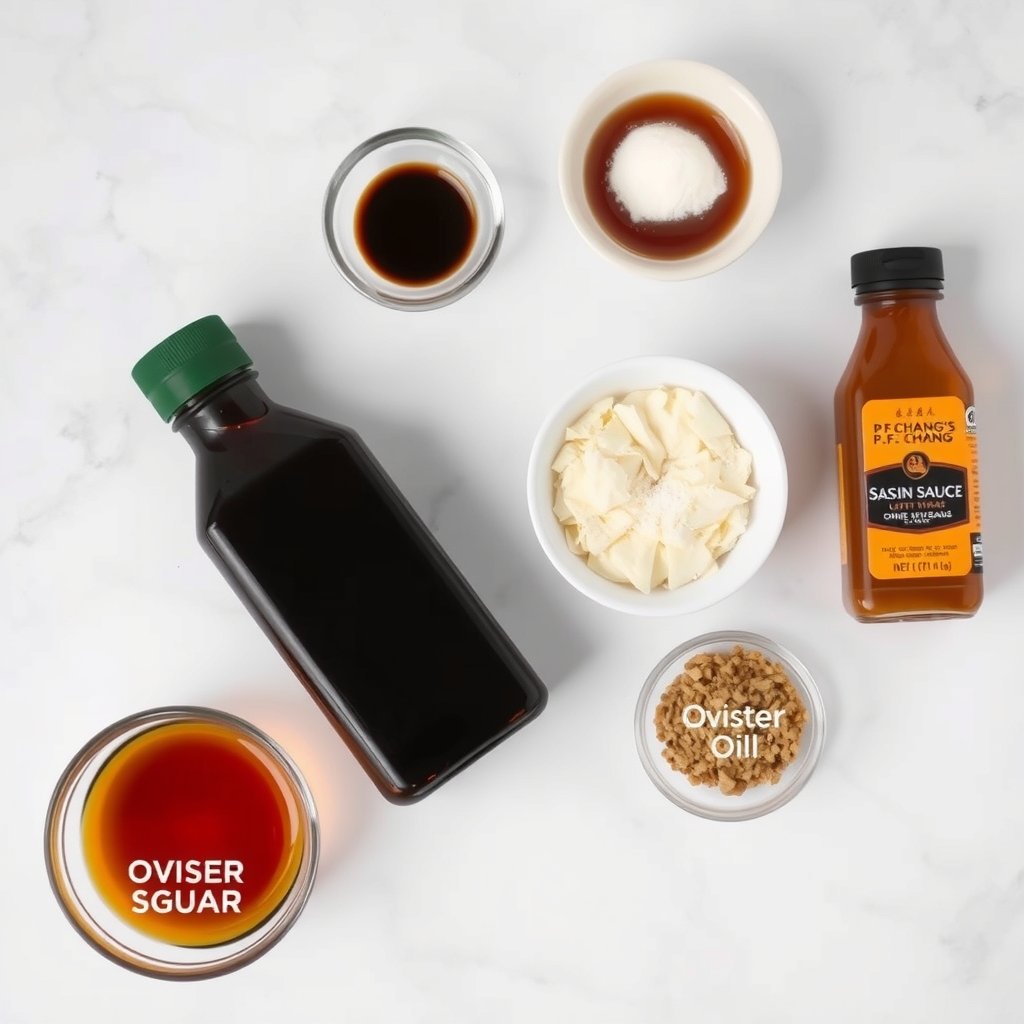
The sauce is where the magic happens, and getting the right brands and ratios is crucial for an authentic-tasting hoisin sauce recipe blend. Hoisin sauce is a thick, sweet, and savory Chinese condiment made from fermented soybeans—Lee Kum Kee is my preferred brand because it has the most balanced flavor without being overly sweet. Soy sauce adds saltiness and umami depth; I use regular soy sauce, but you can substitute low-sodium if you’re watching your salt intake, or use tamari for a gluten-free version. Oyster sauce might seem like an optional ingredient, but it really isn’t—it adds a rich, savory complexity that you just can’t replicate with other ingredients. Rice vinegar brings a subtle acidity that brightens all the other flavors and keeps the sauce from being too heavy, while sesame oil adds a nutty, toasted flavor that’s distinctly Asian. Use toasted sesame oil, not the plain kind, as it has much more flavor.
The Lettuce Cups
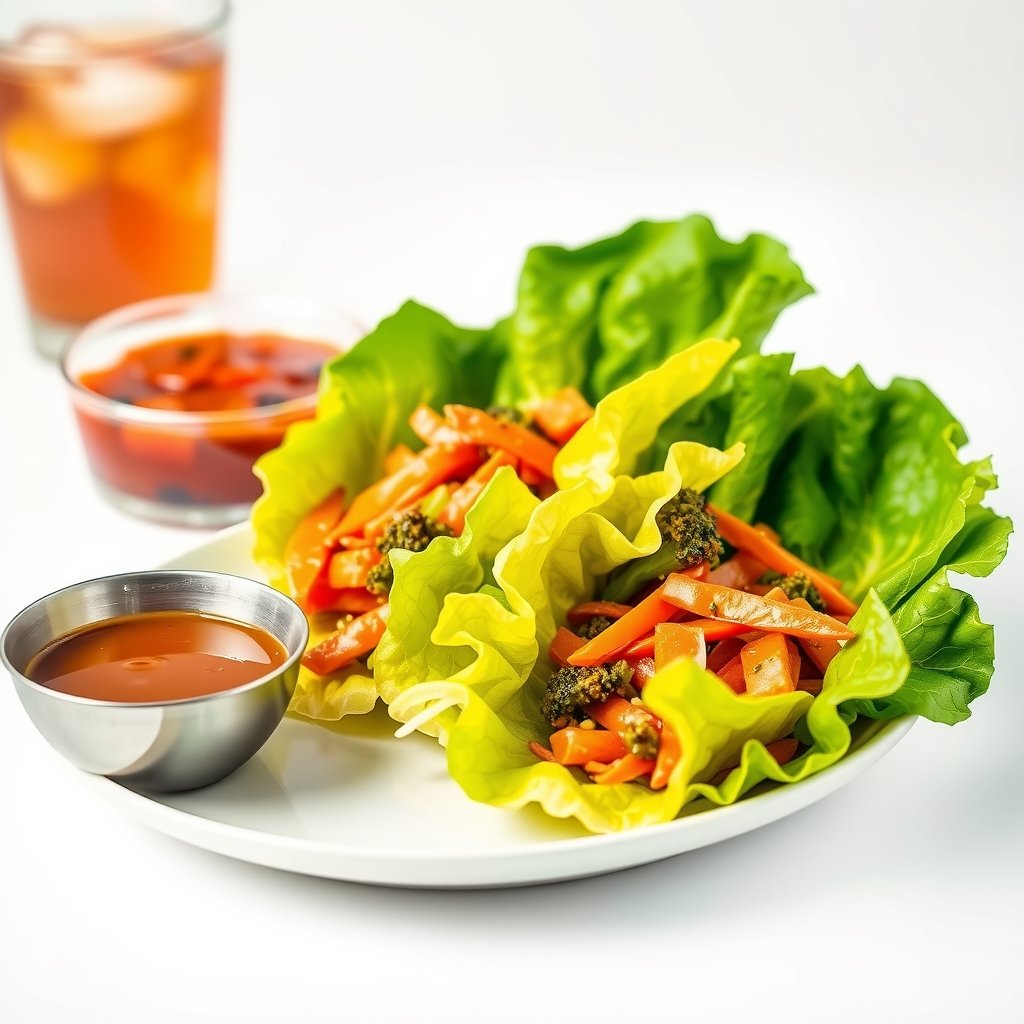
Choosing the right lettuce is more important than you might think for perfect butter lettuce wraps. Butter lettuce (also called Boston or Bibb lettuce) is the ideal choice because it has tender, cup-shaped leaves that are sturdy enough to hold the filling but delicate enough to bite through easily. The leaves naturally form little cups, which makes them perfect for scooping up the chicken mixture. When selecting butter lettuce at the store, look for heads that are firm with crisp, bright green leaves and no brown spots or wilting. Iceberg lettuce is the most common substitute and works well if you prefer a crunchier texture, though the leaves are a bit more difficult to separate into neat cups. Romaine lettuce can also work, especially the inner, lighter-colored leaves, but avoid using delicate greens like spring mix or arugula, as they’ll wilt and tear under the weight of the hot filling.
The Finishing Touches
Crispy rice noodles (also called rice sticks or maifun) are traditionally served on top of P.F. Chang’s lettuce wraps for extra crunch and visual appeal. You can find these in the Asian section of most grocery stores—they come in dried form and puff up dramatically when deep-fried for just a few seconds. If you don’t want to deal with frying, you can buy pre-fried crispy noodles, or simply skip them altogether, though they do add an authentic touch. Chili paste or chili garlic sauce adds heat and can be adjusted to your preference; sambal oelek is my favorite because it’s pure chilies without a lot of added ingredients. A drizzle of additional hoisin sauce for serving lets everyone customize their wraps to their taste, and some people like to add a squeeze of fresh lime juice or a sprinkle of chopped peanuts for extra flavor and texture.
Pro Tips Before You Start
- Prep all your ingredients before you start cooking because this recipe comes together very quickly once you start. Have your chicken ready to go, all your vegetables chopped and organized in small bowls, and your sauce ingredients measured and mixed together in a small bowl or measuring cup. This mise en place approach is essential for stir-fry style cooking, where you need to add ingredients in quick succession. If you’re scrambling to chop water chestnuts while your garlic is burning in the pan, you’re going to have a bad time. I like to do all my prep work earlier in the day or even the night before, which makes the actual cooking process smooth and stress-free.
- Don’t overcrowd your pan when cooking the ground chicken, as this will cause it to steam rather than brown properly. If you’re making a large batch, cook the chicken in two batches, using half the oil for each batch. You want the chicken to develop some caramelization and crispy bits, which adds incredible flavor and texture to the final dish. Use a large skillet or wok with high sides to give yourself plenty of room to toss and stir the ingredients without spilling. A 12-inch skillet is ideal for a single batch, and make sure it’s properly preheated over medium-high heat before adding the oil and chicken.
- Break up the ground chicken into very small pieces as it cooks using a wooden spoon or spatula, aiming for a texture similar to ground taco meat. Large clumps of chicken don’t work well in lettuce wraps because they make the wraps difficult to eat and the filling won’t distribute evenly. I use a potato masher in the pan while the chicken cooks to really break it down into fine, uniform pieces. This also helps the chicken absorb more of the sauce, making every bite flavorful rather than having bland chunks of meat mixed with over-seasoned bits.
- Toast your sesame oil for maximum flavor impact by adding it at two different stages. Use a small amount at the beginning with your neutral cooking oil to bloom the flavor as the aromatics cook, then add another drizzle at the very end as a finishing oil. This technique gives you both cooked sesame flavor that’s integrated throughout the dish and bright, fresh sesame flavor on top. Be careful not to add too much sesame oil, though—it’s very potent, and too much can be overwhelming and almost bitter. A little goes a long way with this ingredient.
- Separate and wash your lettuce leaves at least an hour before serving, then dry them thoroughly and store them in the refrigerator wrapped in paper towels. Cold, crisp lettuce is essential for the best eating experience—warm or room-temperature lettuce will wilt when you add the hot filling, creating a soggy, unappetizing wrap. The paper towels absorb excess moisture, which also helps keep the leaves crisp. I like to arrange the separated leaves on a large platter and cover them with a damp paper towel, then refrigerate until serving time. This also makes it easier for guests to grab their own leaves and assemble their wraps.
- Make the filling slightly over-seasoned because the bland lettuce will dilute the flavors when you eat it all together. What tastes perfectly seasoned in the pan might taste underseasoned once it’s wrapped in lettuce, so don’t be afraid to be a bit generous with your sauce and seasonings. I always taste the filling on its own, then taste it wrapped in a piece of lettuce to check the seasoning balance before serving. You can always serve extra hoisin sauce or soy sauce on the side for people to add more if they want, but you can’t take away seasoning once it’s added.
- Control the moisture content of your filling by cooking off excess liquid that releases from the chicken and vegetables. If your filling is too wet or saucy, it will make the lettuce wraps soggy and difficult to eat, with filling dripping everywhere. After you add the sauce, let the mixture cook for a few extra minutes to reduce and thicken, stirring occasionally. The final consistency should be moist and glossy but not swimming in liquid—think more like a thick glaze coating the chicken rather than a soup or stew consistency. If your filling seems too dry, you can always add a splash of water or chicken broth, but it’s much harder to fix filling that’s too wet.
- Serve the filling hot or very warm for the best flavor and experience, as the contrast between the cold, crisp lettuce and the hot, savory filling is part of what makes these wraps so addictive. If you’re making this for a party, consider using a small slow cooker or warming dish to keep the filling at the perfect temperature throughout your event. The filling can be reheated easily in a skillet or microwave if it cools down, but try to avoid reheating it more than once, as the vegetables will start to break down and lose their texture.
How To Make Copycat P.F. Chang’s Lettuce Wraps Recipe
Making these incredible copycat P.F. Chang’s lettuce wraps is easier than you might think, and the process is actually quite fun and satisfying. You’ll start by heating your skillet or wok until it’s nice and hot, then cooking the ground chicken until it’s beautifully browned and broken into small, uniform pieces. Next, you’ll add your aromatic ingredients—garlic, ginger, and the white parts of the green onions—and cook them just until fragrant, which takes only about a minute but fills your kitchen with the most amazing smell. Then comes the water chestnuts for crunch, followed by the sauce mixture that you’ve already combined in a small bowl. Everything gets tossed together and cooked until the sauce reduces slightly and coats every piece of chicken and vegetable in that glossy, flavorful glaze. Finally, you’ll stir in the green parts of the green onions for a fresh finish, then transfer everything to a serving bowl and let everyone assemble their own wraps using the cold, crisp lettuce cups you’ve prepared. The whole process from start to finish takes less than thirty minutes, but the result tastes like you spent hours perfecting it!
Copycat P.F. Chang’s Lettuce Wraps Recipe
Ingredients
Equipment
Method
-
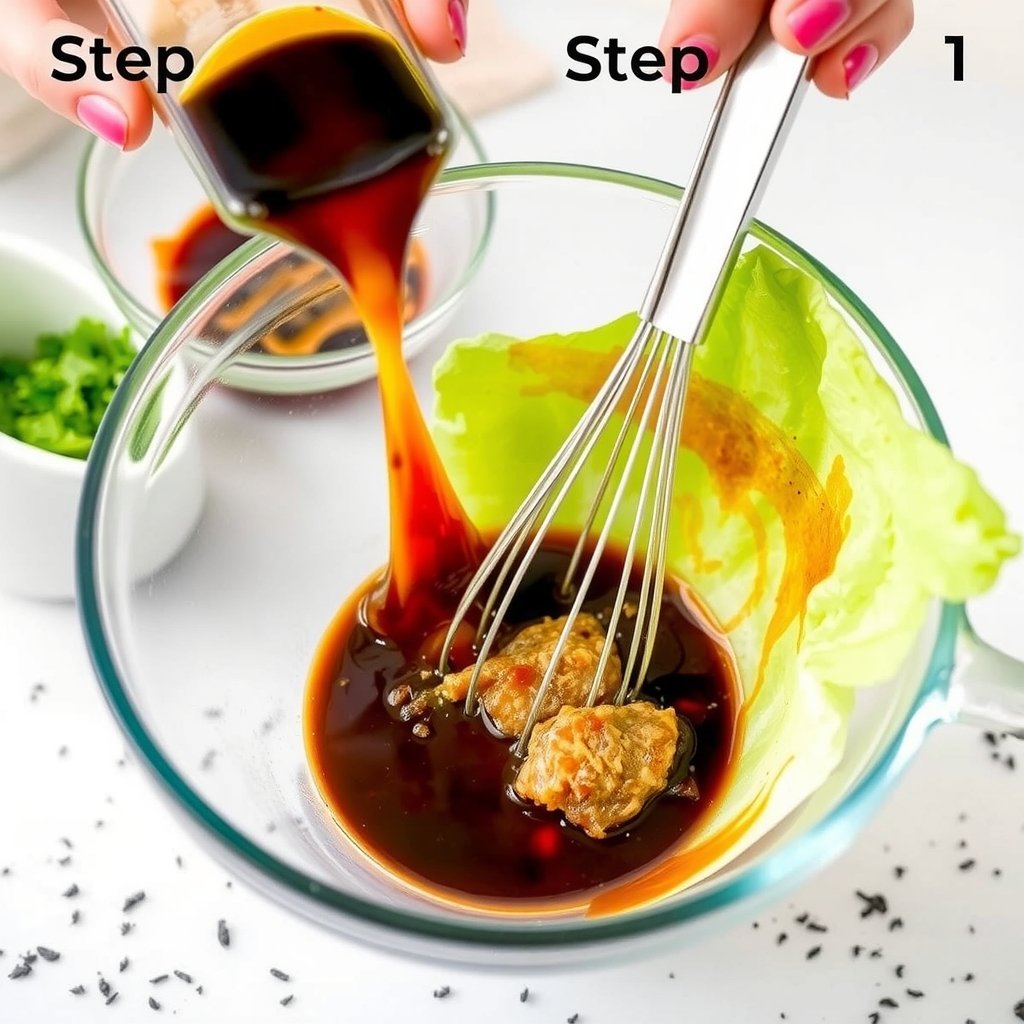
Prepare the sauce by whisking together the hoisin sauce, soy sauce, rice wine vinegar, oyster sauce, sesame oil, brown sugar, and sriracha in a small bowl until the sugar dissolves completely. Set the sauce aside so the flavors can meld together while you prepare the filling, about 5 minutes.
-
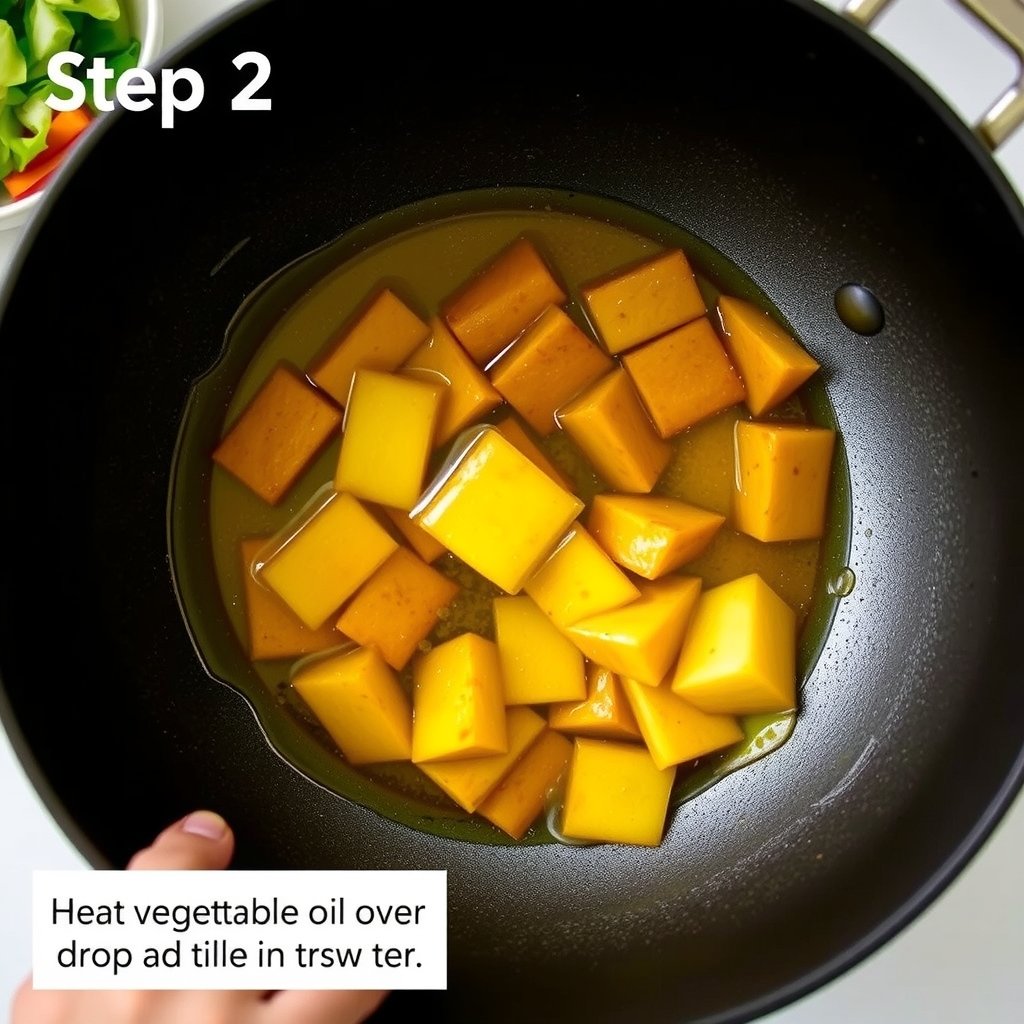
Heat the vegetable oil in a large skillet or wok over medium-high heat until it shimmers and a drop of water sizzles on contact, about 2 minutes. Add the ground chicken and break it apart with a wooden spoon or spatula, cooking until it’s no longer pink and begins to brown slightly, about 4-5 minutes.
-
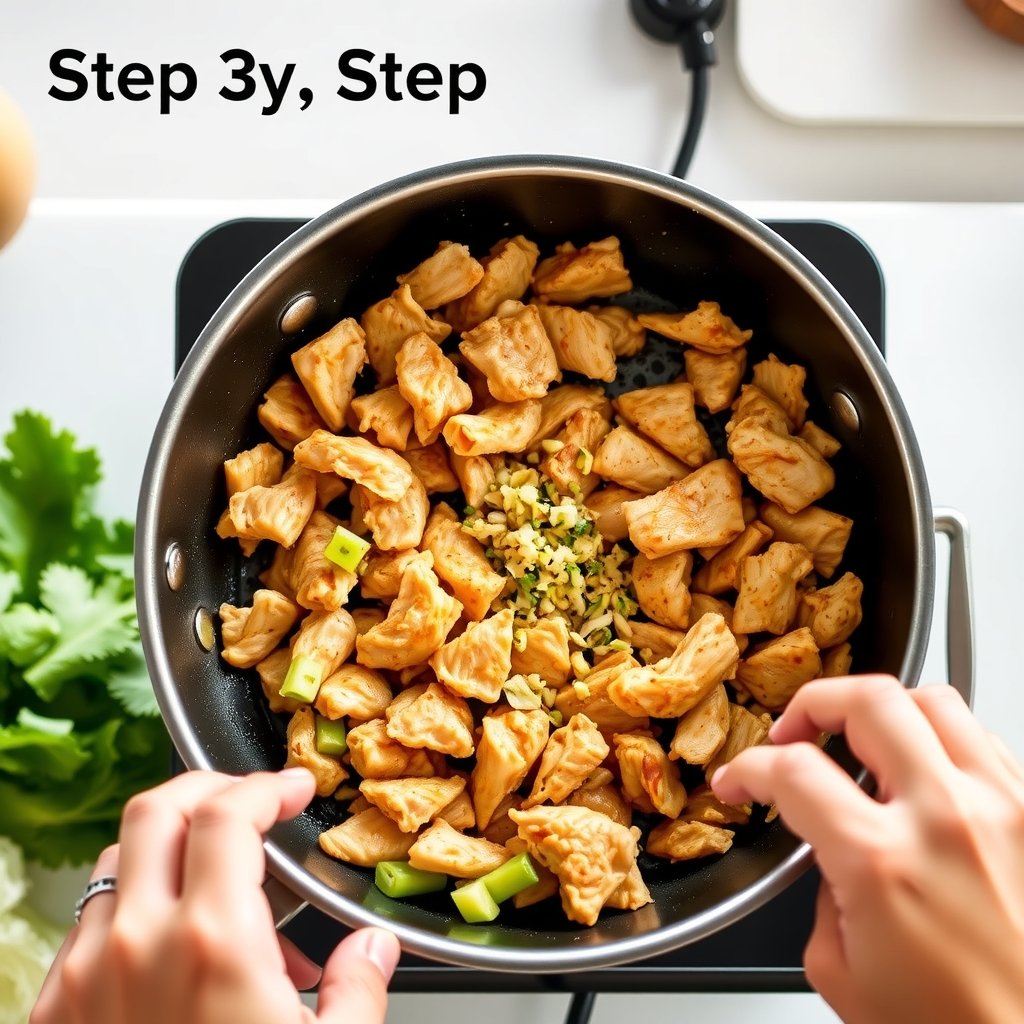
Push the cooked chicken to the sides of the pan, creating a well in the center. Add the minced garlic and ginger to the center and cook until fragrant and golden, stirring constantly for about 30 seconds to prevent burning.
-
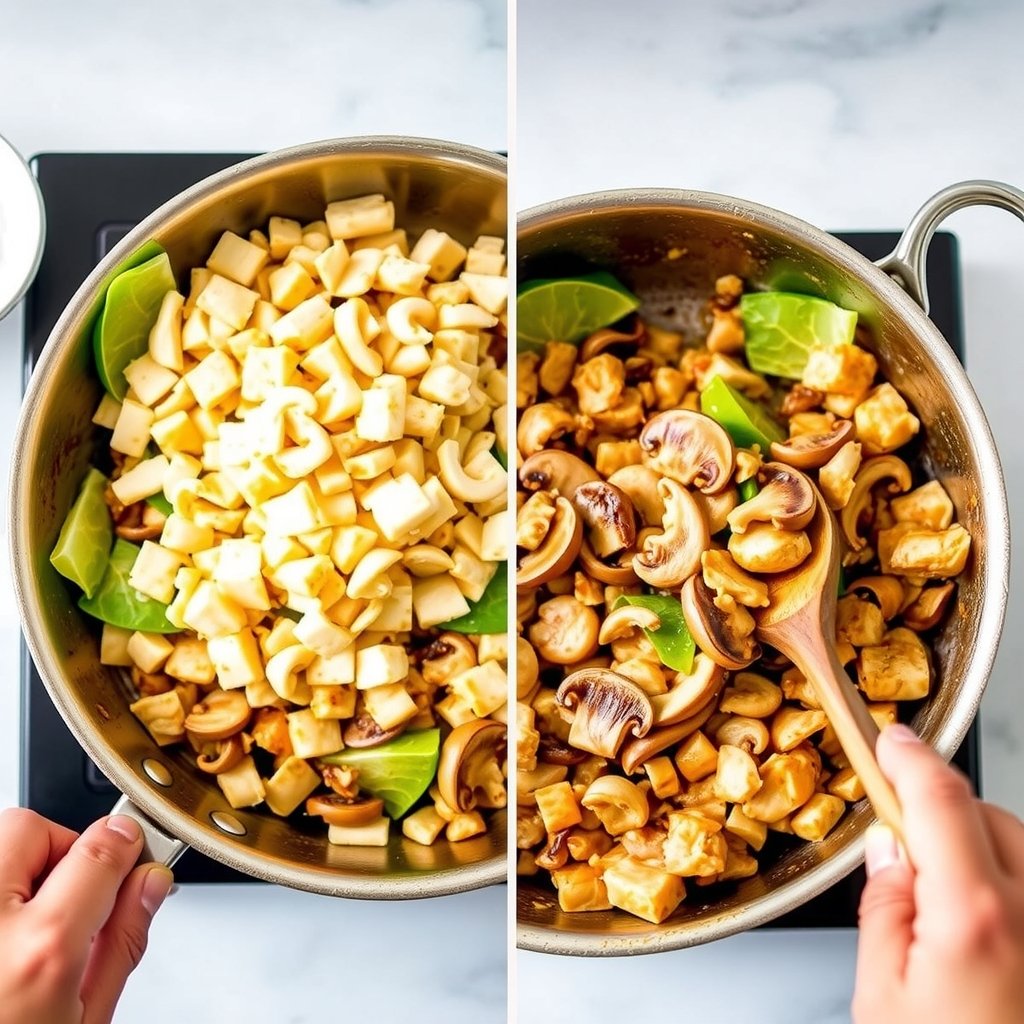
Add the finely chopped water chestnuts and diced shiitake mushrooms to the pan, stirring everything together with the chicken. Cook for 3-4 minutes until the mushrooms soften and release their moisture, and the water chestnuts become slightly tender while maintaining their signature crunch.
-
Pour the prepared sauce over the chicken mixture and add the white parts of the sliced green onions. Stir everything together thoroughly, allowing the sauce to coat all the ingredients evenly and simmer for 2-3 minutes until it thickens slightly and becomes glossy.
-
Remove the pan from heat and stir in the green parts of the sliced green onions, reserving a small amount for garnish. Taste and adjust seasoning if needed, adding more soy sauce for saltiness or brown sugar for sweetness.
-
Arrange the clean, dry butter lettuce leaves on a serving platter, creating cup shapes that will hold the filling. The leaves should be intact and large enough to hold about 2-3 tablespoons of filling each without tearing.
-
Spoon the warm chicken mixture into the center of each lettuce cup, being careful not to overfill them. Garnish with toasted sesame seeds, crispy rice noodles, fresh cilantro, and the reserved green onion slices for an authentic P.F. Chang’s presentation that’s both beautiful and delicious.
Step-by-Step Photos
Customizations & Variations
Ground Turkey Version
Ground turkey is an excellent substitute for ground chicken if you’re looking for a slightly leaner option or if that’s what you have on hand. I recommend using ground turkey thigh meat rather than ground turkey breast for the same reason as the chicken—it has more fat and therefore more flavor and moisture. The cooking process remains exactly the same, though turkey can sometimes release more liquid than chicken, so you may need to cook it a bit longer to evaporate the excess moisture before adding your sauce. The flavor is slightly different—a bit more earthy and less neutral than chicken—but it works beautifully with the Asian seasonings and most people can’t tell the difference in the final dish. If you’re using very lean ground turkey (99% fat-free), consider adding an extra splash of sesame oil or a bit of chicken broth to keep the filling moist.
Vegetarian and Vegan Options
Creating a vegetarian version of these lettuce wraps is surprisingly easy and incredibly delicious! My favorite approach is to use finely chopped mushrooms—a mixture of shiitake, cremini, and oyster mushrooms gives you a meaty texture and deep umami flavor that satisfies even meat-eaters. Pulse the mushrooms in a food processor until they’re roughly the size of ground meat, then cook them the same way you would the chicken, allowing them to release their moisture and brown nicely. Another excellent option is crumbled extra-firm tofu that’s been pressed to remove excess water; crumble it with your hands into small pieces and cook it until it gets slightly crispy on the edges. For a vegan version, make sure to use a vegan oyster sauce (made from mushrooms) or simply omit it and add a bit more hoisin sauce and soy sauce. You can also try textured vegetable protein (TVP) or plant-based ground meat alternatives, which work surprisingly well in this recipe.
Ground Pork or Beef Variation
Ground pork is actually my secret favorite protein for these lettuce wraps because it has such rich flavor and the fat content keeps everything incredibly moist and delicious. Use ground pork with about 15-20% fat content for the best results—too lean and it will be dry, too fatty and it will be greasy. The cooking time might be slightly longer than chicken to ensure the pork is fully cooked through, and you may need to drain off some excess fat before adding your vegetables and sauce. Ground beef also works well, particularly if you use 85/15 ground chuck, which has enough fat for flavor but won’t make the filling greasy. Some people even like to use a combination of proteins—half ground chicken and half ground pork, for example—which gives you complexity of flavor and a texture that’s even closer to the restaurant version.
Spicy Version
If you love heat like I do, there are several ways to amp up the spice level in these how to make P.F. Chang’s lettuce wraps even more fiery. The easiest method is to add more chili garlic sauce or sambal oelek to the sauce mixture, starting with an extra teaspoon and building from there according to your heat tolerance. Fresh Thai bird’s eye chilies, sliced thinly and added with the garlic and ginger, provide a bright, fresh heat that’s different from dried chili pastes. You can also add a pinch of red pepper flakes or a dash of sriracha to the filling as it cooks. For a more complex heat, try adding a spoonful of gochujang (Korean chili paste), which brings both spice and a subtle fermented depth. I like to serve extra chili sauce on the side so everyone can customize their own heat level, and sliced fresh jalapeños or serrano peppers make a great garnish for those who want even more kick.
Low-Sodium Option
Restaurant versions of lettuce wraps can be surprisingly high in sodium, but it’s easy to create a lower-sodium version at home without sacrificing flavor. Start by using low-sodium soy sauce or tamari, which cuts the sodium content by about 40% right off the bat. You can also reduce the amount of hoisin sauce slightly, as it’s quite salty, and compensate by adding a bit more rice vinegar and a small amount of honey or brown sugar for sweetness. Oyster sauce is another high-sodium culprit, so look for a low-sodium version or replace it entirely with a mixture of low-sodium soy sauce and a tiny bit of fish sauce for umami depth. Fresh aromatics like extra garlic, ginger, and green onions add tons of flavor without any sodium, so be generous with these. A squeeze of fresh lime juice at the end brightens everything up and makes the reduced-sodium version taste just as vibrant and complex as the original.
Shrimp Lettuce Wraps
Seafood lovers will absolutely adore a shrimp version of these lettuce wraps, which feels a bit more elegant and special-occasion worthy while still being quick and easy. Use raw shrimp that you’ve peeled, deveined, and chopped into small pieces roughly the size of the ground chicken—about half-inch chunks work perfectly. The cooking time is much shorter than chicken, as shrimp cook in just 3-4 minutes, so add them to the hot pan after you’ve cooked your aromatics and water chestnuts. Be careful not to overcook the shrimp or they’ll become rubbery and tough. The sweet, delicate flavor of shrimp pairs beautifully with the savory sauce, and you might want to add a squeeze of fresh lime juice at the end to highlight the seafood. For extra luxury, you can use a mixture of shrimp and lump crab meat, adding the crab at the very end just to warm through.
Meal Prep and Freezer-Friendly Version
These lettuce wraps are fantastic for meal prep, and I often make a double or triple batch to have easy lunches ready for the week. Cook the filling according to the recipe, then let it cool completely before dividing it into individual portion containers. Store the lettuce separately in the refrigerator, wrapped in paper towels and sealed in a container or plastic bag to keep it crisp. When you’re ready to eat, simply reheat the filling in the microwave or in a skillet, then assemble your wraps with fresh lettuce. The filling also freezes beautifully for up to three months—portion it into freezer bags, squeeze out all the air, and lay them flat in your freezer for easy storage. Thaw overnight in the refrigerator, then reheat gently. The only downside to freezing is that the water chestnuts can lose a bit of their crunch, so you might want to add some fresh ones when reheating if texture is important to you.
Lettuce-Free Bowl Version
While the lettuce cups are iconic and fun, sometimes you just want to eat this delicious filling with a fork, especially if you’re meal prepping or eating at your desk. Turn this into a deconstructed bowl by serving the chicken mixture over steamed jasmine rice, cauliflower rice for a low-carb option, or rice noodles for a more substantial meal. Add some shredded carrots, sliced cucumbers, and extra green onions on top for crunch and freshness. You can also add steamed or roasted broccoli, snap peas, or bok choy to bulk it up with more vegetables. Drizzle everything with extra hoisin sauce and sprinkle with sesame seeds and those crispy rice noodles for texture. This bowl version is just as delicious as the wraps and much easier to eat on the go or pack for lunch, plus it’s more filling as a main course rather than an appetizer.
Thai-Inspired Version
Give these lettuce wraps a Thai twist by adjusting the sauce components and adding some different aromatics and herbs. Replace the hoisin sauce with a mixture of Thai sweet chili sauce and a splash of fish sauce, which gives you sweet, salty, and funky flavors that are distinctly Thai. Add fresh Thai basil leaves and cilantro to the filling at the end, along with a squeeze of lime juice. Finely chopped lemongrass added with the garlic and ginger brings a bright, citrusy note that’s wonderful with chicken. You can also add some chopped roasted peanuts for extra crunch and richness. Serve with lime wedges and extra Thai basil on the side, and maybe some sliced Thai chilies for those who want heat. This version is lighter and brighter than the Chinese-American original, with more herbal notes and acidity that make it perfect for summer.
Crispy Noodle Topping Variations
While traditional crispy rice noodles are delicious, there are several other crunchy toppings you can use to finish these wraps. Crispy wonton strips (either fried or baked) add a similar crunch and are often easier to find in grocery stores. Crushed peanuts or cashews provide crunch along with rich, nutty flavor and healthy fats. Toasted sesame seeds—both white and black for visual appeal—add subtle nuttiness and look beautiful sprinkled over the top. Crispy fried shallots or fried garlic, which you can buy pre-made in Asian grocery stores, bring an intense savory crunch that’s absolutely addictive. For a healthier option, try toasted slivered almonds or even crispy chickpeas. You can also make your own crispy element by thinly slicing wonton wrappers into strips and baking them at high heat until golden and crunchy, which gives you control over the seasoning and ensures they’re fresh.
Storing & Make-Ahead Tips
Proper storage is key to enjoying these lettuce wraps throughout the week, and the good news is that the filling stores exceptionally well while the lettuce stays crisp if handled correctly. Store the cooked chicken filling in an airtight container in the refrigerator for up to four days, making sure it’s completely cooled before sealing the container to prevent condensation and bacterial growth. The flavors actually develop and deepen after a day in the fridge, so many people think the leftovers taste even better than the fresh batch. When you’re ready to eat, reheat the filling in a skillet over medium heat with a splash of water or chicken broth to loosen it up, or microwave it in 30-second intervals, stirring between each interval until heated through. The lettuce leaves should be stored separately in the crisper drawer of your refrigerator, either left on the head of lettuce or separated and wrapped in paper towels, then placed in a sealed container or plastic bag. Properly stored lettuce will stay crisp for up to five days, though it’s best used within three days for optimal texture and freshness.
Freezing the filling is an excellent option for longer-term storage and makes these lettuce wraps an even more convenient option for busy weeks. After cooking the filling, let it cool completely to room temperature, then transfer it to freezer-safe containers or heavy-duty freezer bags, removing as much air as possible before sealing. I like to portion it into meal-sized amounts—about two cups per container works well for serving two to three people—so I can thaw only what I need. Label each container with the date and contents, and use within three months for best quality. To thaw, transfer the frozen filling to the refrigerator the night before you plan to eat it, allowing it to thaw slowly and safely. If you’re in a hurry, you can thaw it in the microwave using the defrost setting, stirring every few minutes to ensure even thawing. Once thawed, reheat thoroughly until steaming hot, and note that the water chestnuts may lose some of their crunch after freezing, though the flavor remains excellent.
Make-ahead preparation is where this recipe really shines for entertaining or meal prep, and there are several components you can prepare in advance to make the final cooking process even faster. You can prep all your vegetables—chopping the water chestnuts, mincing the garlic and ginger, slicing the green onions—up to two days ahead and store them in separate small containers in the refrigerator. The sauce mixture can be combined and refrigerated in a sealed jar or container for up to a week, so you can make a big batch and have it ready whenever you want to make these wraps. The lettuce can be separated, washed, and dried up to two days ahead, stored as described above. If you’re planning to serve these at a party, you can even cook the filling completely up to two days ahead, then simply reheat it before serving. This advance prep means you can have these impressive lettuce wraps on the table in less than ten minutes, making them perfect for last-minute entertaining or those nights when you want something special but don’t have much time.
For batch cooking and meal prep enthusiasts, I recommend making a double or triple batch of the filling since it freezes so well and the effort of cooking a larger batch is minimal compared to the convenience it provides. Use a large wok or two skillets to cook multiple batches simultaneously, or cook them in succession if you have limited equipment. Portion the filling into individual serving sizes in meal prep containers, and store lettuce separately in the same container using a divider, or pack it separately in small bags. When packing for lunch, add the crispy noodles or other toppings in a separate small container so they don’t get soggy. You can also pack extra sauce in a tiny container for drizzling at serving time. This approach gives you restaurant-quality lunches all week long for a fraction of the cost, and the filling is also delicious served over rice or noodles if you get tired of the lettuce wrap format.
Frequently Asked Questions
How many calories are in these copycat P.F. Chang’s lettuce wraps?
A typical serving of this homemade version contains approximately 250-300 calories, though this can vary depending on the specific ingredients you use and how much filling you put in each lettuce cup. This is significantly lower than many restaurant appetizers and even lighter than the original P.F. Chang’s version, which can contain upwards of 400-500 calories per serving when you factor in the crispy noodles and sauce. The majority of the calories come from the ground chicken and the small amount of oil used for cooking, while the lettuce itself is virtually calorie-free. If you’re looking to reduce calories further, you can use ground chicken breast instead of thigh meat, reduce the amount of oil, or use a cooking spray instead. For detailed nutritional information specific to your ingredients and portion sizes, I recommend entering your exact recipe into a nutrition calculator.
Can I make these lettuce wraps ahead of time for a party?
Absolutely! These lettuce wraps are actually ideal for entertaining because you can prepare almost everything in advance and just do a quick reheat before serving. Cook the filling up to two days ahead and store it in the refrigerator in an airtight container, then reheat it gently in a skillet or microwave until hot before transferring to a serving bowl. Prepare your lettuce cups, wash and dry them thoroughly, and store them wrapped in paper towels in the refrigerator up to a day ahead. Chop all your garnishes and toppings and store them in small containers. When your guests arrive, simply set up a DIY lettuce wrap station with the hot filling, cold lettuce cups, and all the toppings, and let everyone assemble their own wraps. This interactive element actually makes the dish even more fun for parties, and it keeps you out of the kitchen so you can enjoy your guests. The filling stays warm in a small slow cooker or warming dish if you’re serving buffet-style.
What can I substitute for hoisin sauce if I can’t find it?
While hoisin sauce is really the key to getting that authentic P.F. Chang’s flavor, you can make a decent substitute in a pinch using ingredients you’re more likely to have on hand. Mix together equal parts soy sauce and smooth peanut butter or almond butter, then add a bit of honey or brown sugar for sweetness, a splash of rice vinegar for tang, and a tiny bit of sesame oil for depth. Another option is to use a combination of soy sauce, molasses or honey, and a bit of Chinese five-spice powder or garlic powder to mimic that sweet, savory, and slightly